


 September 12, 2025
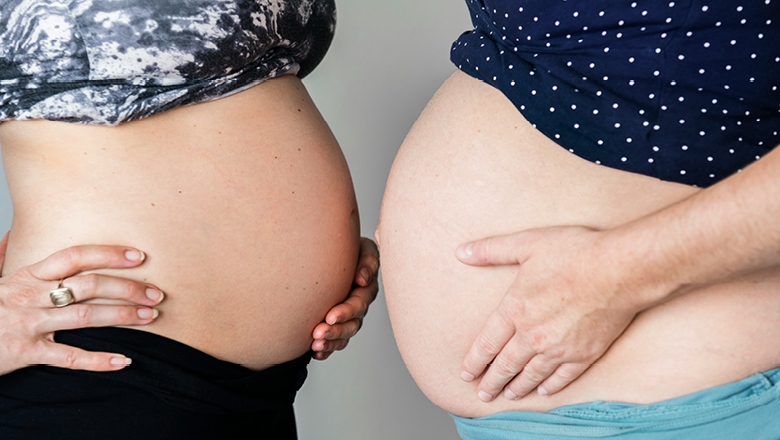
For many, a cesarean birth is both meaningful and demanding. While the body is remarkably resilient, C-section scars can be a daily reminder, sometimes quiet, sometimes uncomfortable. Scar treatment is not only about aesthetics. Patients often seek care for:
Below, we outline two surgical pathways: scar revision and abdominoplasty (tummy tuck), and how to decide between them. If you prefer non-surgical care, we cover that here: Treatments for Minimizing and Fading Scars.
A surgical revision replaces the existing scar with a finer, more controlled incision designed to blend better with surrounding skin. The surgeon excises the old scar and re-closes the area with meticulous layers to improve line quality and contour.
An abdominoplasty removes the C-section scar along with excess lower-abdominal skin and fat, tightens the abdominal wall when needed (diastasis recti repair), and repositions tissues for a smoother, firmer contour. The new incision is placed low so it can usually be concealed under underwear or swimwear.
| Factor | Non-surgical | Scar Revision | Tummy Tuck (Abdominoplasty) |
|---|---|---|---|
| Primary goal | Soften, flatten, or fade the visible scar | Replace old scar with a finer, better-blended line | Remove old scar, tighten skin, address excess tissue, and repair muscle if needed |
| Best for | Mild colour/texture changes; early or moderate scars | Raised, widened, tethered, or discoloured C-section scars | Loose/overhanging skin, diastasis recti, stretch marks, lower-abdomen laxity |
| Addresses | Pigment, texture, mild thickness | Scar line quality, tethering, minor contour step-offs | Global contour, skin redundancy, muscle separation, scar position |
| Does not address | Significant laxity or muscle separation | Overall laxity, diastasis, broader contour concerns | N/A (most abdominal concerns addressed) |
| Anaesthesia | None or topical/local | Local (sometimes light sedation) | General anaesthesia |
| Setting | Clinic treatment room | Clinic/procedure room | Accredited surgical facility |
| Incisions/scar | None | Short, refined line where old scar was | Low, longer incision usually hidden under underwear/swimwear |
| Downtime | Minimal; resume routine same/next day | About 1–2 weeks of light activity | Several weeks of activity modification |
| Results timeline | Gradual across a series | Months as the new scar matures | Months as swelling settles and tissues remodel |
| Longevity | Maintained with sun care and skin health | Long-term; varies by scar biology | Long-term; sustained with stable weight and core support |
Choose scar revision if:
Choose tummy tuck if:
Many patients who initially inquire about “just fixing the scar” discover that their goals are better met with abdominoplasty once skin quality and muscle support are fully assessed in consultation.
| Recovery Step | Scar Revision | Tummy Tuck (Abdominoplasty) |
|---|---|---|
| Early healing | Light activity for 7–14 days | Activity restriction for 2–4 weeks; short frequent walks |
| Return to desk work | About 1 week (case dependent) | Often ~2 weeks (surgeon-directed) |
| Compression/garments | Usually not required | Typically worn 4–6 weeks |
| Driving | When off pain meds and safe to brake | When off pain meds and safe to brake |
| Lifting | Avoid >10–15 lb for ~1 week | Avoid >10–15 lb for 4–6 weeks |
| Sleep position | As comfortable; avoid pressure on incision | Slightly flexed at hips and knees early on |
| Exercise | Walk day 1–2; progress as advised | Walk early; light cardio ~3–4 weeks; core when cleared |
| Scar care start | When closed and non-tender (often 2–3 weeks) | When fully closed and non-tender (surgeon-directed) |
| Follow-up visits | Early check, then as needed | Scheduled series over first 1–3 months |
| Scar maturation | 6–12+ months | 6–18+ months |
Patience matters. The lower abdomen is a high-tension, high-motion area, and both revised and new incisions continue to settle and fade over time.
Your C-section scar is part of your story, but it does not need to define how you feel in your body. A thorough, in-person assessment with a board-certified plastic surgeon is the best way to align treatment with your goals—whether that is a refined scar line, restored core support, a smoother contour, or all of the above.
Complimentary consultations are available. We will review your history, examine skin and muscle support, discuss non-surgical and surgical options, and design a plan that fits your anatomy, recovery needs, and long-term goals.

Did we answer all your questions? Our goal is to ensure you have the best information possible to make your decision. If you still have questions, we’re here to help.
 416.928.9494
 Email Us